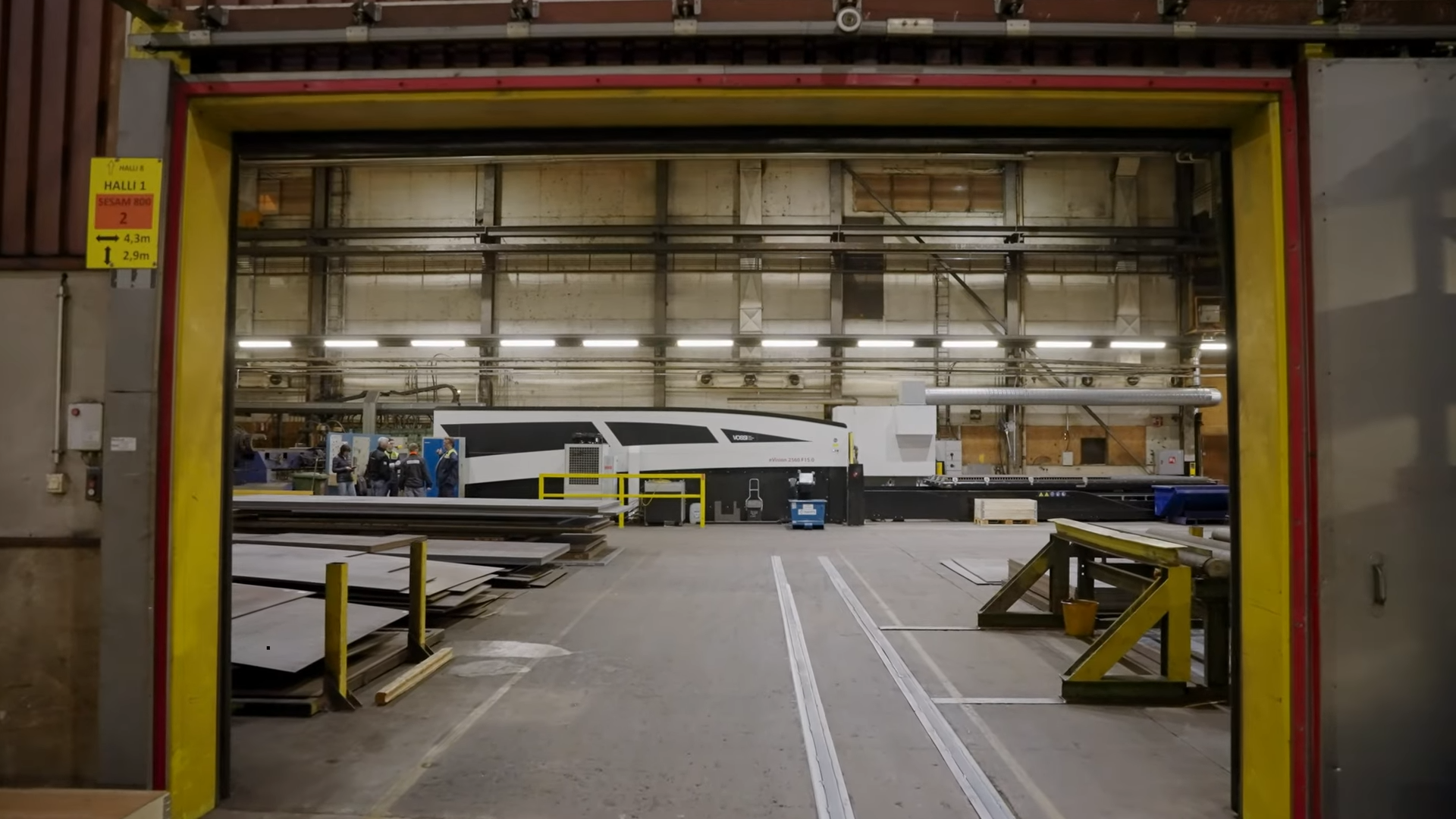
Buying a metalworking machine is rarely a routine decision. Whether it is a large hydraulic press, a mandrel bender, a three-roll bender, or a grinder, the investment affects production capacity, efficiency, and profitability for years.
The purchase price naturally attracts the most attention. It is visible, easy to compare, and often heavily negotiated. But it represents only one part of the financial commitment.
The more useful measure is the total cost of ownership: everything required to transport, install, operate, maintain, and support the machine throughout its working life.
This broader evaluation is particularly important when comparing fiber laser cutting machines, where machine architecture, software, serviceability, and automation readiness can all influence long-term operating costs.
A lower purchase price may reduce the initial financial burden, but once the machine enters real production, costs that were not obvious in the quotation can begin to appear.
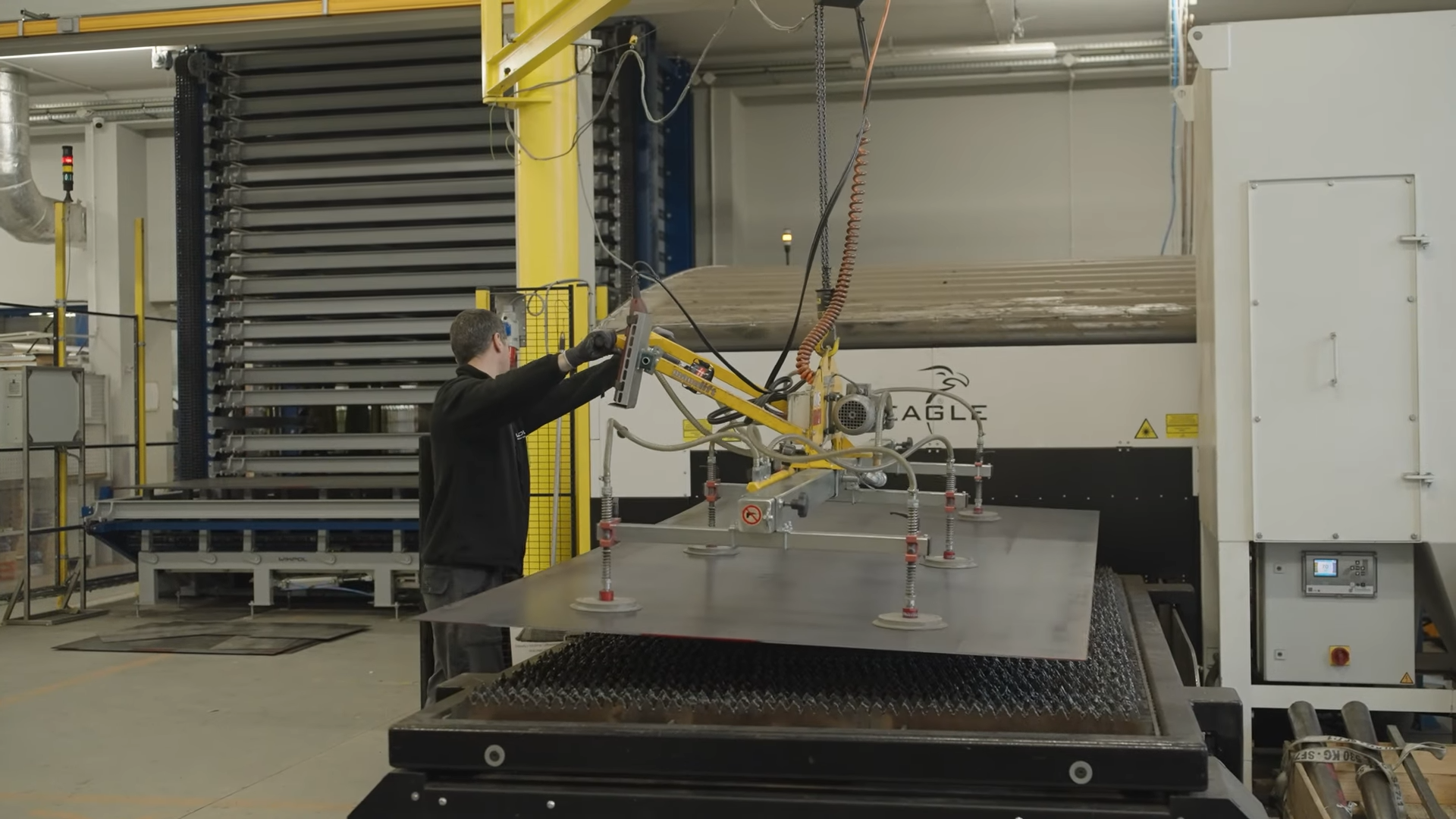
The first hidden expenses can arise before the machine reaches the factory floor.
A supplier’s quotation may cover loading at the manufacturing site without including transportation, unloading, or final positioning at the customer’s facility. Larger machines may require specialized logistics, including cranes, heavy-duty rollers, transport permits, or coordinated unloading operations.
These services are often managed separately and may not be included in the original purchase price.
The investment should be reassessed when logistics and positioning costs significantly increase the machine’s effective purchase price or require extensive modifications to the facility.
Once the machine arrives, the production environment must be ready to receive it.
Installation may require external specialists, dedicated tooling, machine alignment, commissioning, or extended setup time. Heavy or high-performance equipment may also require reinforced floors, dedicated foundations, electrical upgrades, ventilation, compressed-air systems, or cooling infrastructure.
These are not always minor adjustments. In some cases, facility preparation can represent a substantial part of the overall investment.
The key question is not only whether the machine fits physically, but whether the building can support its full operational requirements.
Machine architecture can also influence installation requirements, long-term stability, maintenance, and productive performance. Understanding how fiber laser machine design affects the complete production process can reveal differences that are not visible in the initial quotation.
Additional planning is necessary when the machine requires structural work, utility upgrades, or production-area modifications that were not included in the initial investment calculation.
Delivery and installation do not automatically mean that the machine is ready to generate revenue.
Tooling, consumables, oils, lubricants, fixtures, and starter materials may all be required before production can begin. These elements are sometimes offered as part of a starter package, but they are not always included in the base price.
Training is another important factor. Initial operator instruction may be included, but its scope can vary considerably. Basic training may be enough to start the machine, but not necessarily to optimize programs, manage advanced applications, or troubleshoot production issues.
Further costs may appear when new operators join, shifts change, or the company introduces more complex work. The usability of the control system and fiber laser cutting software can therefore have a direct impact on training time, programming efficiency, and how quickly operators reach stable production.
Startup becomes a cost concern when the machine requires significant additional tooling, consumables, training, or operator support before it can reach its expected production level.
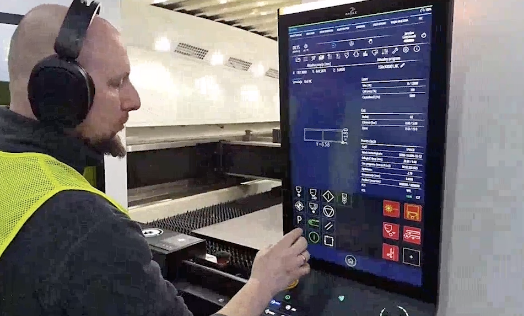
Once the machine enters production, maintenance begins to influence its true economic performance.
Spare-part availability and pricing can vary significantly between suppliers. Components that must be imported, reconditioned, or ordered with long lead times can increase repair costs and extend downtime.
It is also worth examining how the machine’s core systems are built and maintained. The design and accessibility of key laser machine components can directly affect service time, maintenance requirements, and the cost of restoring production after a stoppage.
Warranty conditions may also require scheduled inspections or service visits. These can be essential for protecting the machine, but their frequency, scope, and cost should be understood before the investment is approved.
A machine with a lower purchase price may require more frequent intervention, specialist knowledge, or expensive replacement parts over its lifetime.
Maintenance becomes a structural cost problem when service visits, wear components, or spare-part lead times regularly interrupt production or make operating costs difficult to predict.
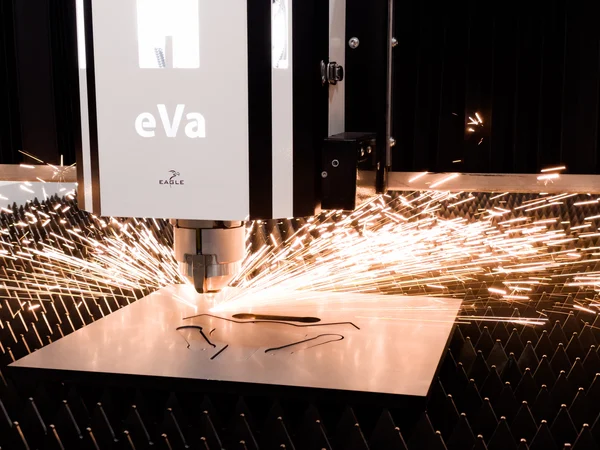
Energy efficiency is easy to underestimate during the purchasing process.
Industrial machines can differ significantly in their consumption of electricity, compressed air, water, cooling, and other utilities. A small difference per operating hour may appear insignificant, but it can become substantial when multiplied across several shifts and many years of production.
The most relevant measure is not energy consumption alone, but the amount of usable output generated from that energy.
An inexpensive machine that produces more slowly or consumes more power per finished part may ultimately cost more to operate than a higher-priced alternative.
Energy efficiency should influence the investment decision when utility costs rise faster than output or when supporting infrastructure becomes a bottleneck to production growth.
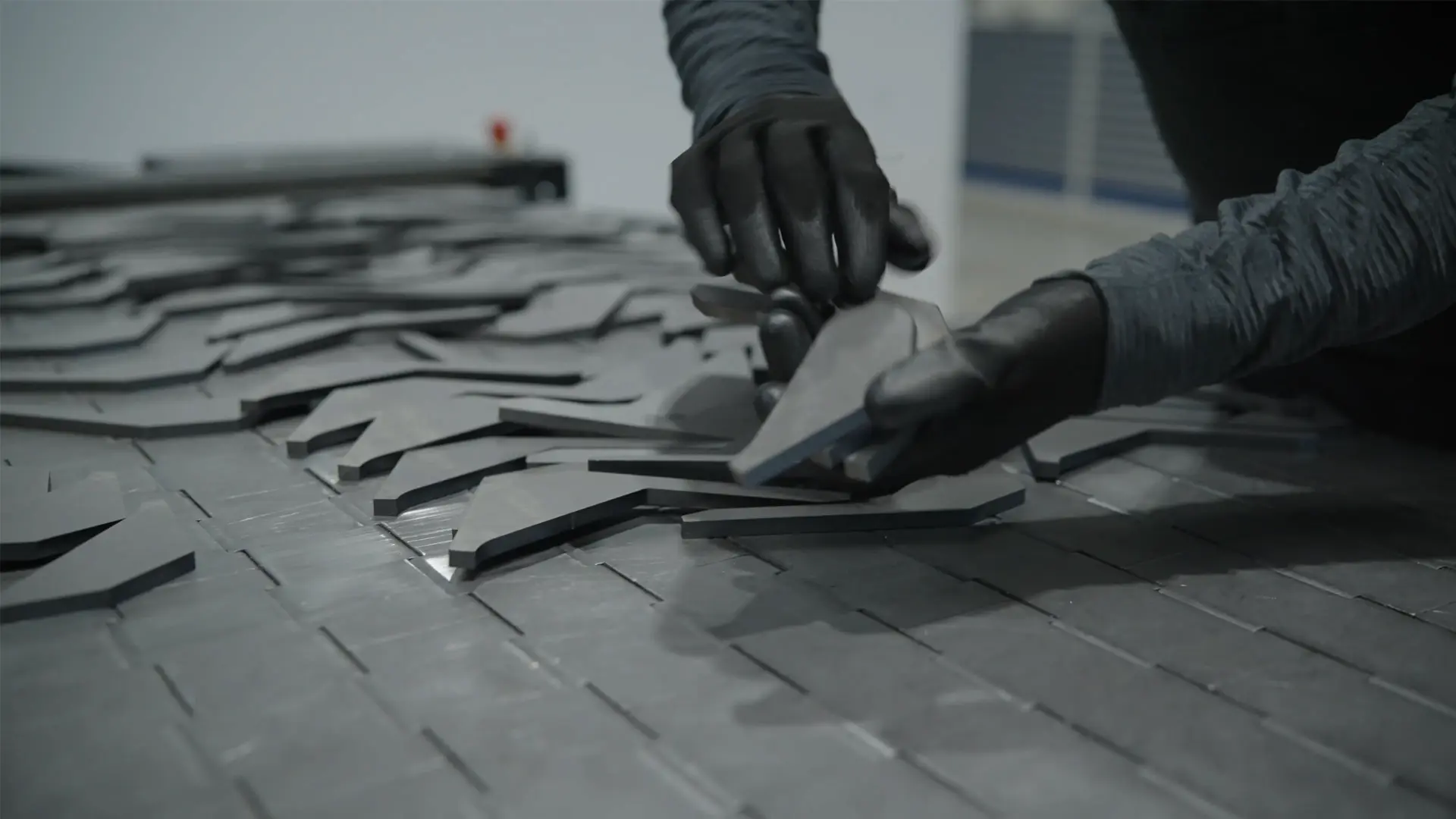
Downtime is often the least visible cost in a quotation and the most damaging cost in production.
When a machine stops, the financial impact extends beyond the repair itself. Operators may remain idle, other processes may wait for parts, delivery schedules may be disrupted, and overtime or subcontracting may be required to recover lost capacity.
The relevant question is not whether a failure can occur. Every industrial system carries some level of risk. The more important question is how quickly production can be restored.
Service response times, technician availability, remote diagnosis, spare-part access, and repair procedures all determine how long the machine remains unavailable.
Downtime becomes a decisive investment factor when production depends heavily on one machine and delayed service could affect customer deliveries, staffing, or the performance of downstream departments.
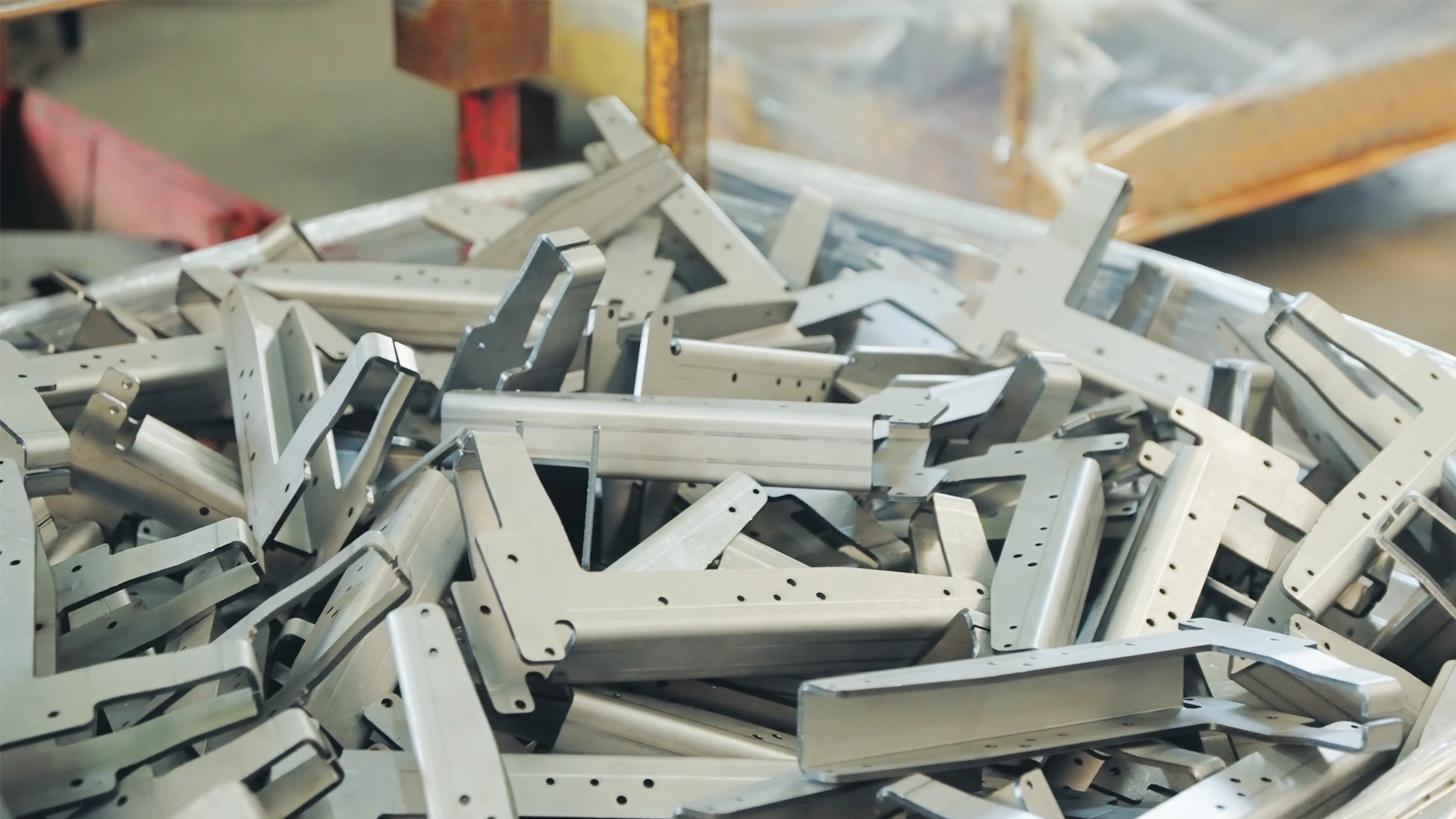
A lower purchase price can be attractive, particularly when budgets are limited or a rapid return is expected.
However, the initial saving may disappear if the machine requires more infrastructure, consumes more energy, depends on expensive parts, or remains out of production for longer periods.
A more complete comparison should include:
The lowest-priced machine is not necessarily the least expensive machine. The more meaningful question is how much it costs to produce a finished part reliably throughout the equipment’s working life.
The purchase price becomes misleading when it is evaluated separately from productivity, reliability, operating costs, and service support.
Many hidden costs can be identified before the purchase if the right questions are asked.
Before making a decision, clarify:
These questions make it easier to compare complete operating models rather than isolated purchase prices.
An industrial machine should not be evaluated only as a product delivered on a specific date. It becomes part of a broader production system that includes operators, infrastructure, utilities, maintenance, spare parts, and service support.
The true cost of the investment develops over time.
A well-informed decision considers not only what the machine costs on day one, but also what it will require every day afterward. When logistics, installation, training, maintenance, energy consumption, service, and downtime are included in the calculation, the cheapest quotation may no longer represent the best value.
When rising operating costs, maintenance demands, downtime, or limited productivity begin to outweigh the benefits of keeping existing equipment, it may be useful to review the wider signs that older cutting technology is limiting production.
In the end, the real cost of a machine is not simply what you pay to acquire it. It is what it costs to keep it producing reliably.


