In many fabrication environments, equipment remains in operation long after it has technically become outdated. This is not necessarily a problem, until process limitations begin to impact cost, quality, or throughput.
The decision to upgrade from CO₂ laser, plasma, or waterjet cutting is rarely driven by a single factor. It is typically the result of accumulating technical constraints that begin to affect production efficiency. For a broader perspective, it can be helpful to review a fiber vs CO₂ laser, Waterjet and Plasma cutting comparison, which highlights the fundamental differences between these technologies.
Stay up to date with the latest in metal fabrication, our solutions, and the most relevant industry news.
SUBSCRIBE TO OUR NEWSLETTER
In day-to-day operations, energy costs often go unnoticed, until they start scaling with production. What initially seems like a manageable expense can quickly become a structural issue when machines run continuously and inefficiencies multiply across shifts.
CO₂ laser efficiency: ~10–15%
Fiber laser efficiency: ~30–50%
This difference directly translates into:
The reason for this gap lies in how the technologies generate the beam. If you want to understand it at a deeper level, it’s worth exploring how a fiber laser works, particularly its direct energy conversion.
Upgrade becomes relevant when:
In day-to-day operations, energy costs often go unnoticed,
until they start scaling with production.
Many production teams initially respond to demand by adding shifts or extending working hours. But over time, it becomes clear that the real limitation isn’t labor, it’s the speed of the cutting process itself.
Fiber laser systems, by contrast, significantly increase processing speed. This is why more companies choose fiber laser for sheet metal cutting when throughput becomes critical.
Upgrade becomes necessary when:
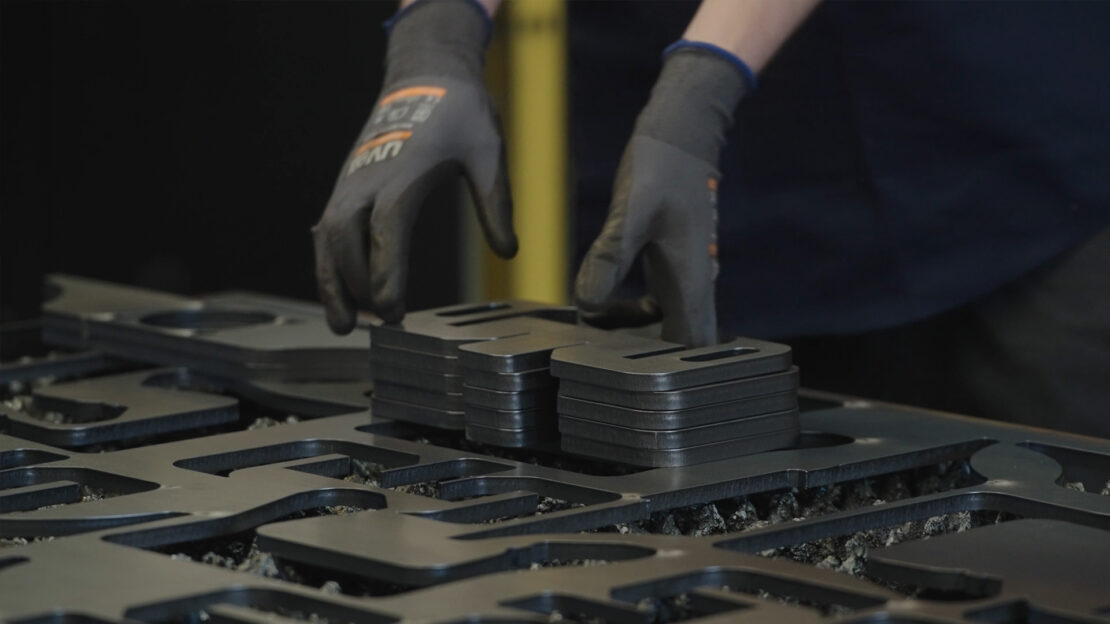
At first, small inaccuracies may seem acceptable, especially if they can be corrected downstream. But over time, these “small” issues accumulate into material waste, extra labor, and inconsistent product quality.
Upgrade becomes justified when:
Maintenance is often treated as a routine part of operations, but when it starts interrupting production unpredictably, it becomes a serious risk factor.
Older systems like CO₂ lasers or waterjets rely on multiple components that require regular intervention. This increases dependency on operator expertise and introduces variability into the process.
Upgrade becomes necessary when:
Production requirements rarely stay static. New contracts, materials, or industries often force manufacturers to work beyond the limits of their current technology.
CO₂ lasers struggle with reflective metals, plasma is limited to conductive materials, and waterjet, while flexible, is often too slow for standard production.
Fiber laser systems offer a broader operating range, which is why many manufacturers explore why fiber laser is chosen for sheet metal cutting when their material mix begins to diversify.
Each technology has inherent material constraints:
| Technology | Key Limitation |
| CO₂ laser | Difficulty with reflective metals |
| Plasma | Limited to conductive materials |
| Waterjet | Slower on standard sheet metal production |
| Fiber laser | Primarily optimized for metals |
Fiber lasers offer advantages in:
Upgrade becomes relevant when:
This reflects a shift from process specialization to process flexibility.
This is often the most misunderstood signal. Many companies assume that once a machine is paid off, it is “cheap” to operate. In reality, hidden inefficiencies continue to increase cost per part over time.
Slower cutting, wider kerf, additional processing, and maintenance all contribute to rising costs, even if they are not immediately visible.
Older technologies may appear cost-effective because:
However, hidden costs accumulate:
Laser cutting (especially fiber) typically offers:
Upgrade becomes necessary when:
The limitation is no longer operational; it is technological.
Sometimes the trigger is not technical but strategic. As companies shift toward more dynamic production models (shorter runs, faster response times, higher customization) the limitations of older technologies become more apparent.
Fiber laser systems support flexibility, automation, and integration in ways older systems cannot. In many cases, this shift goes hand in hand with the adoption of laser cutting automation systems, which enable continuous operation, reduced manual handling, and more predictable production output.
Laser cutting, particularly fiber, supports:
Critical threshold
Upgrade becomes relevant when:
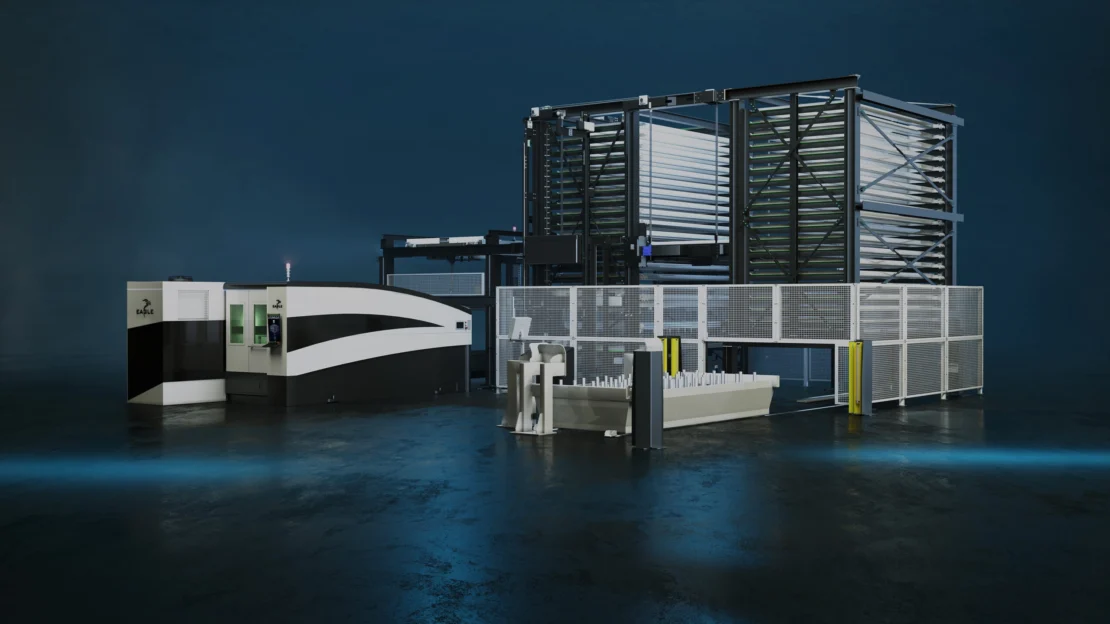
Companies rarely upgrade because a machine is “old.” They upgrade because the process built around that machine stops being efficient.
The transition from CO₂, plasma, or waterjet to fiber laser typically occurs when:
In practice, the tipping point is reached when multiple limitations converge.
At that moment, upgrading is no longer an investment decision; it becomes a necessary step to maintain competitiveness in production.