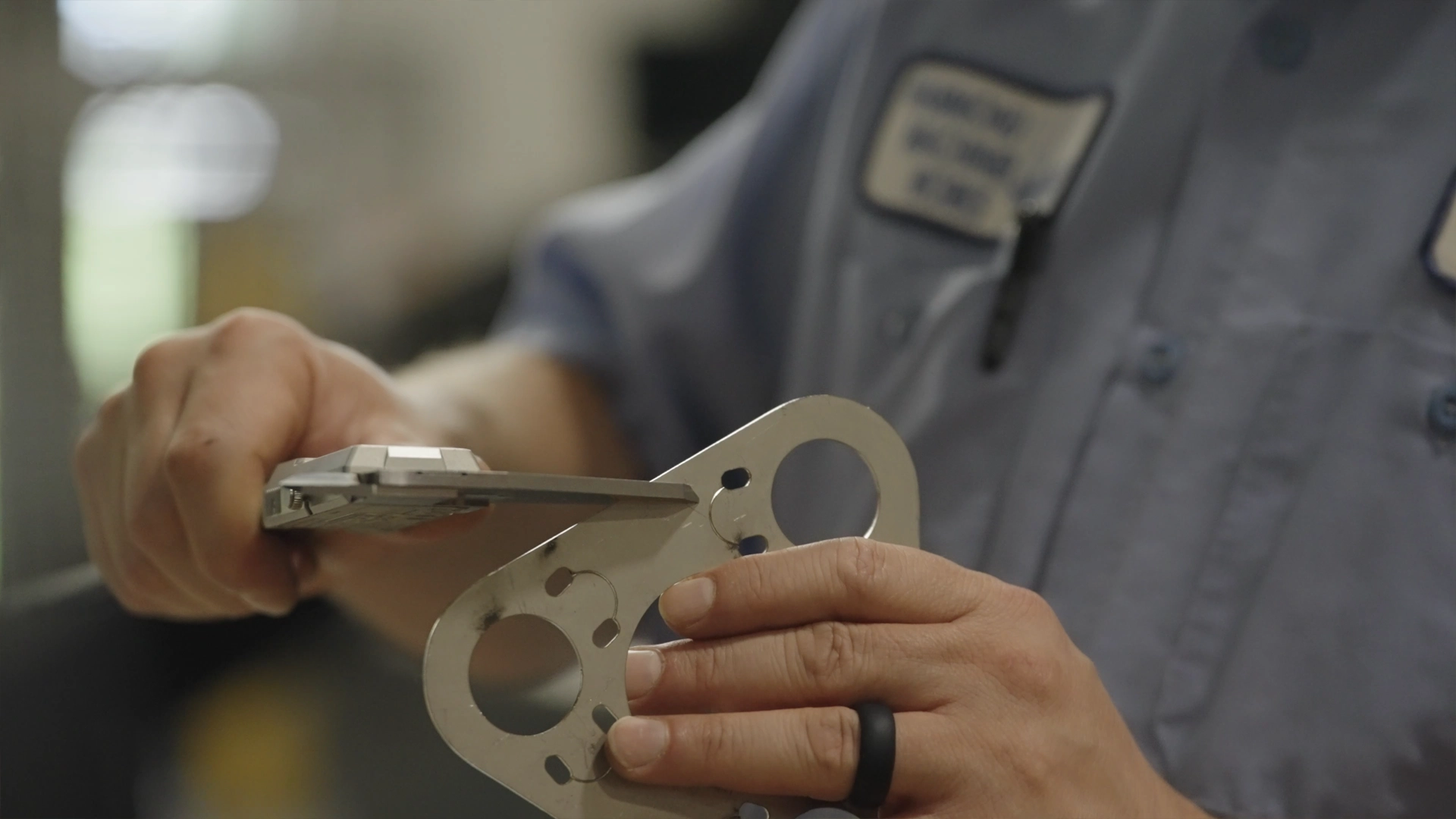
Fiber laser cutting has become the reference technology for modern sheet metal fabrication, but not just because it’s “newer” or more advanced.
Manufacturers are switching for a very practical reason: it helps them produce more parts, in less time, at a lower cost per unit, without compromising quality. For many companies, this shift begins with a key question: when does it actually make sense to move on from older systems?
In an environment where margins are tight and lead times matter, that combination is hard to ignore.
By efficiently converting electrical energy into a highly focused laser beam, fiber lasers outperform traditional technologies in speed, energy efficiency, and process stability. Compared to legacy solutions, especially CO₂ systems, the differences become even clearer. Add to that compact machine design and reduced maintenance, and it’s easy to see why fiber systems are now standard across industries from job shops to high-volume production.
At the core of fiber laser technology is a solid-state design. The laser beam is generated, amplified, and delivered through an optical fiber, without the mirrors, gas mixtures, and complex alignments required in older systems like CO₂ lasers.
This has real operational consequences.
Less energy is lost. Less heat is generated. Fewer components can fail or drift out of alignment.
For the operator or production manager, this translates into a process that is:
In other words, it’s not just better technology. It’s a more predictable production tool.
Fiber lasers convert a significantly higher percentage of electrical power into cutting power. In practice, this means lower electricity bills per part and the ability to run high-output production without a proportional increase in energy costs, a key factor in today’s energy-sensitive manufacturing landscape.
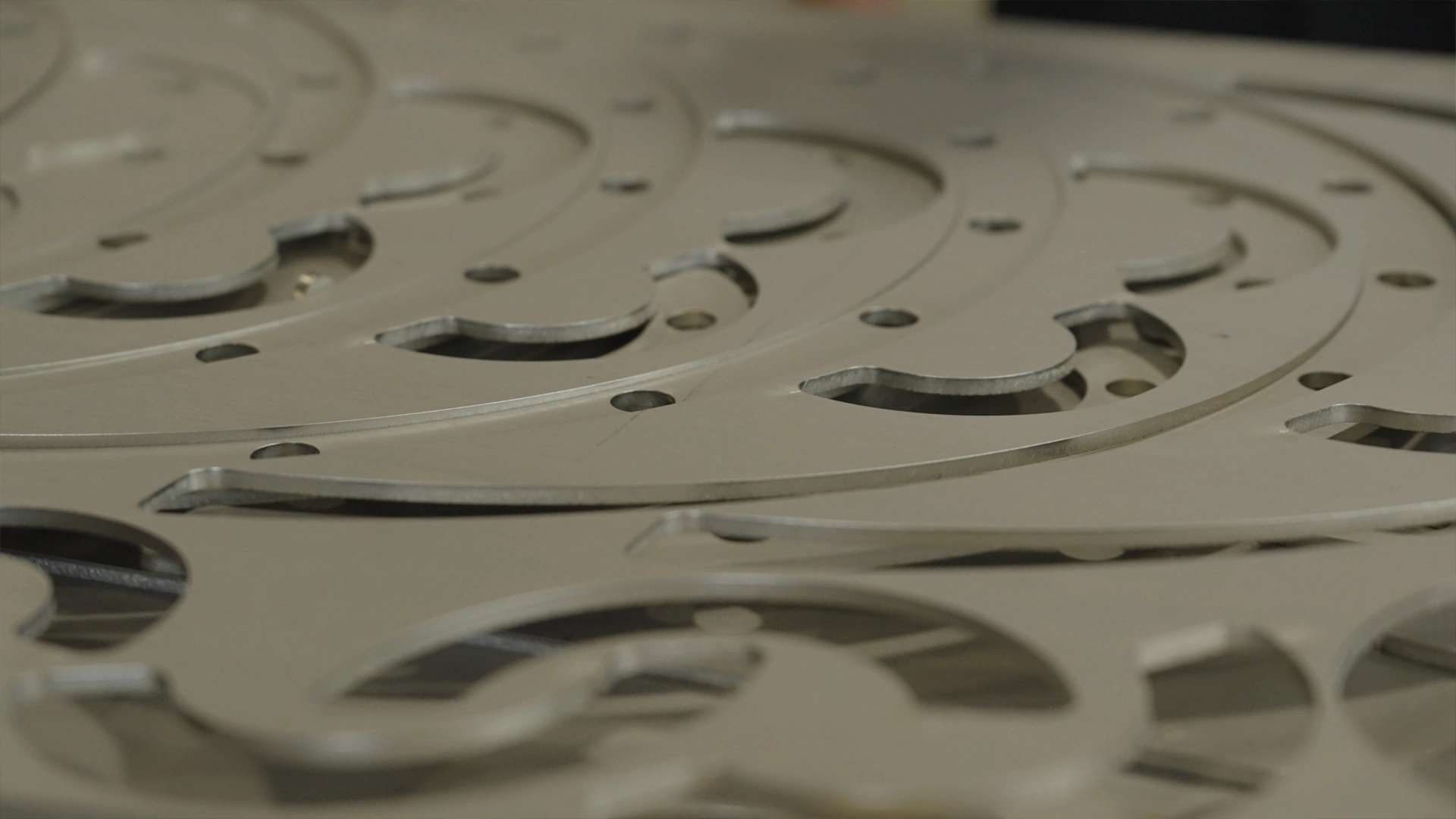
A stable beam is what makes precision repeatable, not just achievable once. Fiber lasers maintain consistent beam diameter, intensity, and focus, allowing manufacturers to reliably hit tight tolerances. Whether cutting simple brackets or intricate patterns, the result is clean edges and minimal need for secondary finishing.
Unlike mechanical cutting methods, fiber laser cutting doesn’t rely on physical contact. There’s no tool wear, no mechanical stress on the material, and no risk of deformation from cutting forces. This is especially important when working with thin sheets or parts that require high dimensional accuracy.
Downtime and maintenance are often underestimated cost drivers. Fiber laser systems reduce both. With fewer moving parts, no mirrors to align, and fewer consumables, maintenance intervals are longer and more predictable. Over time, this leads to a significantly lower total cost of ownership.
Speed isn’t just about cutting faster. Ultimately, it’s about producing more within the same shift. Fiber lasers excel at high-speed cutting, especially on thin and medium materials, reducing cycle times and increasing overall throughput. For manufacturers, this directly impacts delivery times and capacity without requiring additional machines.
Production space is expensive and often limited. Fiber laser systems are more compact than many traditional alternatives, making them easier to integrate into existing layouts. This allows manufacturers to scale production without expanding their facility.
Sustainability is becoming a measurable requirement. Fiber lasers consume less energy per part, require fewer consumables, and generate less waste. For companies tracking their environmental footprint, this makes fiber technology a practical step toward more sustainable manufacturing.
Choosing a cutting technology is no longer about whether it “can cut” a material. You must consider how efficiently, consistently, and predictably it can support production over time.
They allow manufacturers to:
For those actively exploring new equipment, modern fiber laser cutting machines are integrated production systems that support automation, scalability, and long-term efficiency
Fiber laser cutting combines speed, efficiency, precision, and reliability in a single technology. By delivering high productivity with low operating costs, it enables manufacturers to remain competitive in demanding industrial environments.
For these reasons, fiber laser cutting has become the preferred solution for sheet metal processing worldwide, and continues to set the benchmark for modern metal fabrication.


